Featured
Table of Contents
The Evolving Face of Predatory Financing in 2026
The credit market in 2026 has seen a shift towards digital-first lending, where algorithms determine eligibility in milliseconds. While this speed offers convenience, it has actually likewise generated sophisticated predatory practices that are harder to find than the traditional high-interest store loans of the past. Debtors in Free Credit Counseling Session and across the surrounding region often experience deals that appear handy however contain provisions developed to trap individuals in cycles of financial obligation. Recognizing these methods requires a deep understanding of contemporary monetary items and the rights afforded to consumers under federal law.
Predatory loaning occurs when a financial institution uses deceptive or coercive tactics to convince a borrower to accept a loan with unjust terms. In 2026, these methods often conceal behind "ingrained financing" applications and expert system designs that target individuals based on their current search history or shopping practices. Rather of clear, upfront rate of interest, these loan providers may utilize complex "involvement fees" or "membership models" that efficiently press the annual portion rate (APR) far beyond legal limitations. Understanding the mechanics of these deals is the first step towards monetary protection.
Acknowledging Modern Red Flags in Credit Offers
One typical method utilized in 2026 includes "loan turning," where a lending institution motivates a debtor to re-finance a current loan into a brand-new one with a greater interest rate and extra costs. This often happens just as the borrower starts making progress on the primary balance. By resetting the clock on the loan, the creditor ensures a continuous stream of interest payments without the customer ever gaining true equity or decreasing the debt. Many locals in Free Credit Counseling Session discover themselves in this trap when they get unsolicited deals to "skip a payment" or "lower regular monthly expenses" that actually increase the overall expense of the debt with time.
Another alerting sign is the lack of openness concerning the overall expense of credit. Federal law needs lending institutions to supply a Truth in Providing disclosure, however predatory actors might bury this information deep within digital regards to service. They might likewise include mandatory "add-on" products, such as unneeded credit insurance or costly monetary tracking services, which are added onto the loan balance without the debtor's explicit consent. Those who focus on Credit Counseling often discover themselves better protected versus predatory terms by recognizing when a lender is preventing direct questions about the APR or the total interest paid over the life of the loan.
Steering is a third practice that stays widespread in 2026. This occurs when a lending institution directs a debtor toward a more expensive subprime loan although the applicant qualifies for a standard, lower-interest item. This typically targets particular demographics or areas in various states, leading to systemic financial downsides. Customer defense advocates suggest that any deal needing an instant decision or pressing the debtor to neglect traditional credit checks must be viewed with severe suspicion.
The Role of Credit Tracking and Data Personal Privacy
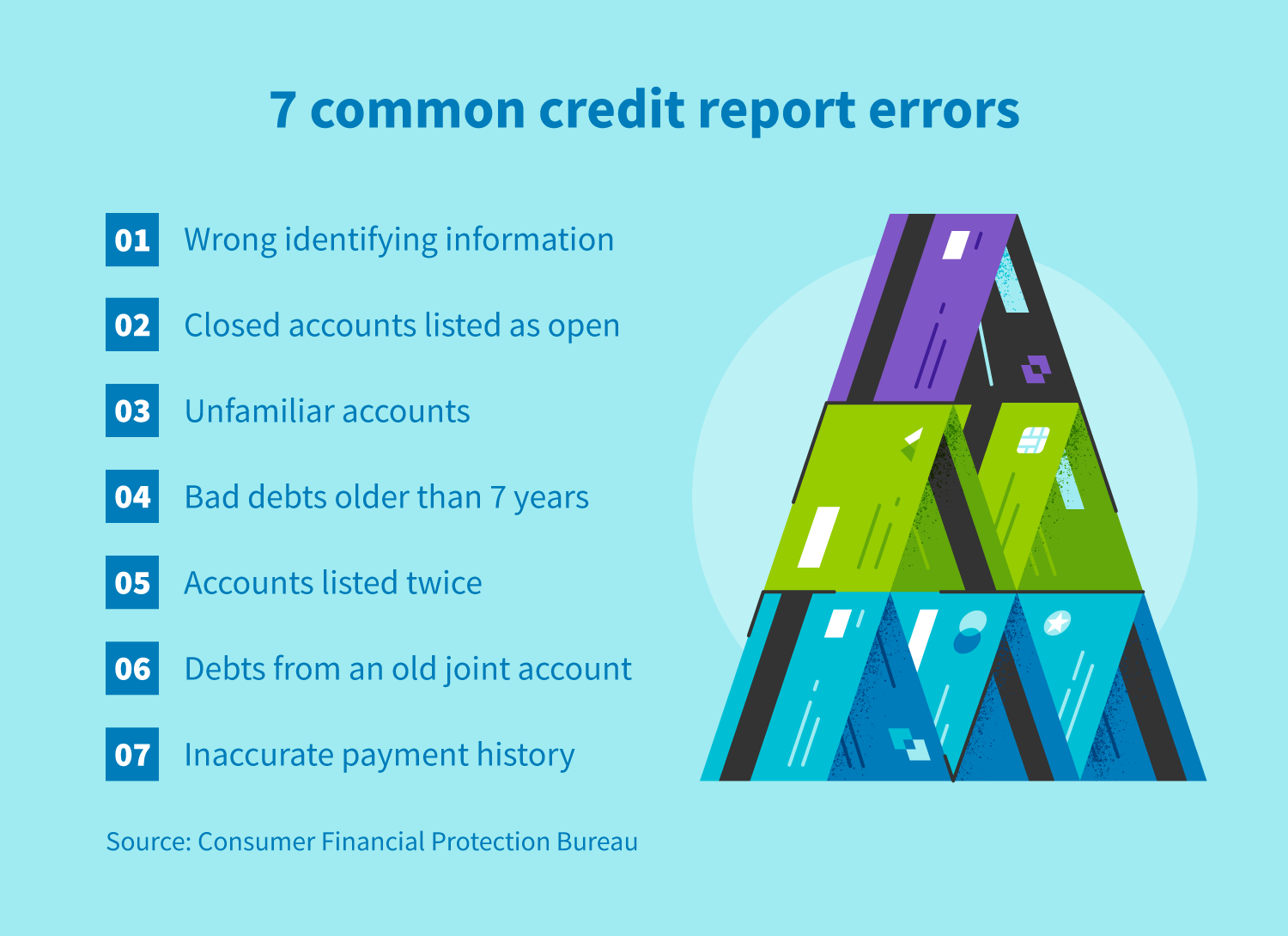
Reliable credit monitoring has ended up being a primary defense versus predatory loaning in 2026. Because numerous predatory lenders use "soft pulls" to scan customer profiles, an active tracking technique allows individuals to see who is viewing their credit file and why. Regular queries from high-interest lenders can be an indication that a consumer's information has been sold to companies specializing in subprime products. Tracking services also alert users to unapproved accounts, which is important in a period where identity theft is often used to open predatory credit lines in a victim's name.
Free Credit Counseling Sessions provides a structured way to evaluate the legitimacy of any new credit offer by comparing it against historical information and market averages. By keeping a close eye on credit reports from the major bureaus, customers can spot errors or deceitful activities that may lower their score and require them into the arms of predatory loan providers. Oftentimes, a simple reporting mistake can make an individual appear more "dangerous" than they in fact are, causing greater interest rates that are technically legal but almost crippling.
In Free Credit Counseling Session, financial literacy programs highlight that credit tracking is not practically ball game itself. It has to do with comprehending the story of one's financial life. If a customer notice that their rating dropped unexpectedly, they ought to examine instantly before applying for brand-new credit. Predatory lending institutions often take advantage of those who do not understand their own credit standing, using the borrower's unpredictability to justify predatory terms and high fees.
Consumer Financial Rights and Legal Protections
In spite of the rise of complicated financial innovation, the core securities of the Fair Credit Reporting Act (FCRA) and the Truth in Loaning Act (TILA) stay the bedrock of customer defense in 2026. These laws mandate that lending institutions supply clear, written explanations of all expenses connected with a loan. The Consumer Financial Protection Bureau (CFPB) has actually issued brand-new standards in 2026 concerning algorithmic bias, making sure that digital lenders can not utilize "black box" innovation to hide discriminatory practices or predatory interest structures.
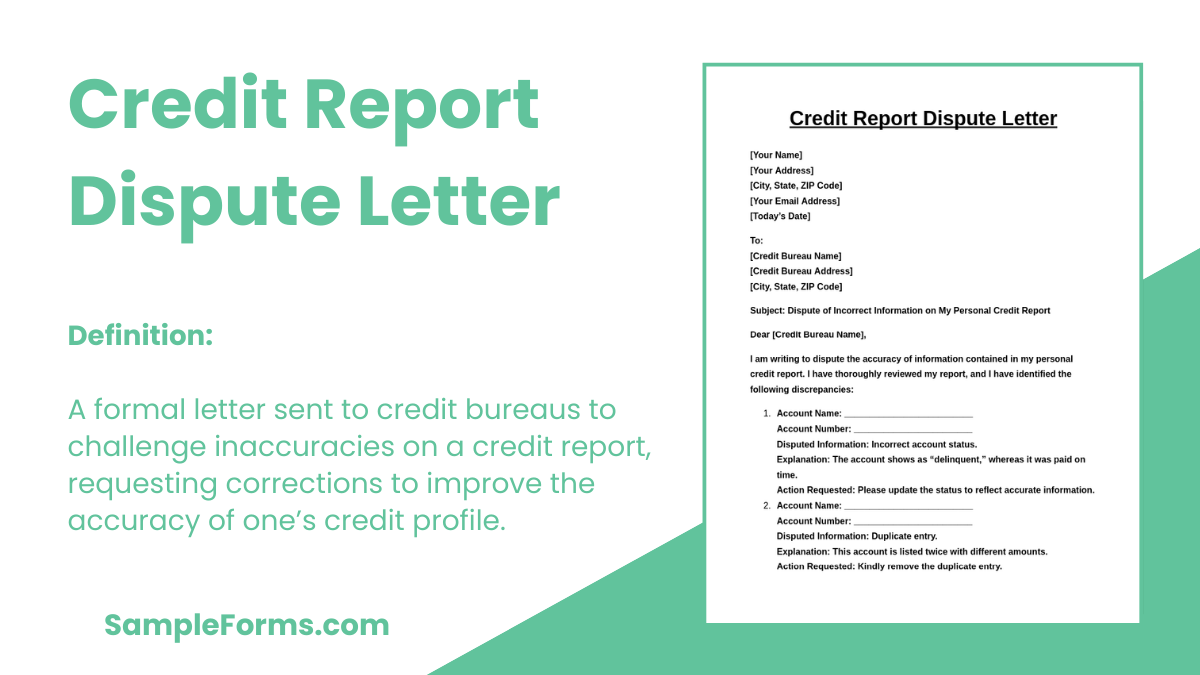
Borrowers have the right to dispute any incorrect information on their credit reports. If a predatory loan provider reports a late payment that was really caused by their own faulty automatic system-- a typical issue in 2026-- the customer has the legal right to have that information remedied. In addition, the "ideal to rescind" enables borrowers a three-day window to cancel specific types of loans, such as home equity lines of credit or refinances, without penalty. This cooling-off duration is important for people in any region who may have felt forced into an agreement.
For those having problem with existing financial obligation, not-for-profit credit therapy agencies provide a safe option to "debt settlement" companies that typically participate in predatory habits themselves. Approved 501(c)(3) agencies, such as those licensed by the Department of Justice, provide financial obligation management programs that consolidate payments and work out lower rates of interest without the misleading practices seen in the for-profit sector. Customers looking for Credit Counseling in Pittsburgh Pennsylvania ought to confirm the credentials of any advisor they seek advice from to ensure they are getting impartial, HUD-approved housing counseling or credit education rather than a disguised sales pitch.
Practical Steps for Preventing Predatory Contracts
Before signing any loan arrangement in 2026, a customer should carry out an extensive audit of the agreement. This includes checking for "prepayment penalties," which charge the debtor a fee for settling the loan early. Predatory loan providers utilize these penalties to ensure they gather the maximum amount of interest possible. A reasonable loan ought to permit the customer to decrease the primary balance at any time without extra costs. Another warning is a "balloon payment," where the regular monthly installations are low, but an enormous swelling sum is due at the end of the term, frequently requiring the borrower to secure another predatory loan to cover the cost.
- Validate the loan provider's license through state regulatory databases in your local jurisdiction.
- Compare the offered APR with the typical market rates for your credit report bracket.
- Request a complete schedule of fees, consisting of late charges, origination costs, and "service" charges.
- Read online evaluations and examine for complaints submitted with the Better Business Bureau or the CFPB.
- Never ever sign a file with blank areas that could be completed later by the lender.
Financial education stays a powerful tool. Numerous neighborhood groups and regional nonprofits in Free Credit Counseling Session partner with credit therapy agencies to offer complimentary workshops on how to read credit reports and identify frauds. These programs frequently highlight the distinction in between a genuine financial obligation management plan and a predatory financial obligation settlement plan. While a debt management strategy works with creditors to lower interest and produce a sustainable path to repayment, predatory settlement companies often tell customers to stop making payments entirely, which can destroy credit rating and lead to claims.
Protecting Long-Term Financial Health
The objective of predatory financing is to keep the customer in a state of perpetual financial obligation. In contrast, legitimate monetary help aims to move the specific towards self-reliance. By 2026, the combination of credit counseling and HUD-approved housing suggestions has actually ended up being a standard recommendation for anyone facing significant monetary pressure. These services assist individuals understand their budget, prioritize their spending, and deal with creditors in a way that safeguards their long-term interests.
Maintaining a healthy credit profile needs continuous vigilance. Regular checks of credit reports, a firm grasp of one's legal rights, and a healthy uncertainty toward "too excellent to be true" digital offers are the finest defenses offered. Whether somebody is looking for a home loan, an auto loan, or a little individual loan, the concepts of caution remain the very same. The financial choices made in Free Credit Counseling Session today will figure out the opportunities available tomorrow. Preventing predatory traps makes sure that credit stays a tool for growth instead of a weight that keeps back progress.
As 2026 continues to bring new monetary technologies to the market, the methods used by predatory lenders will likely continue to change. Nevertheless, the basic signs of a bad deal-- high expenses, absence of transparency, and high-pressure sales techniques-- will constantly exist. Remaining notified and utilizing the resources provided by not-for-profit companies can help customers navigate these challenges and preserve their monetary stability in an increasingly complicated world.

Latest Posts
Essential Financial Literacy for Purchasing a Home in Your State
Staying Ahead of the Curve With AI-Based Credit Tracking
The Function of HUD Counseling in Your Neighborhood